
Your Success, Our Priority
Browse our articles below
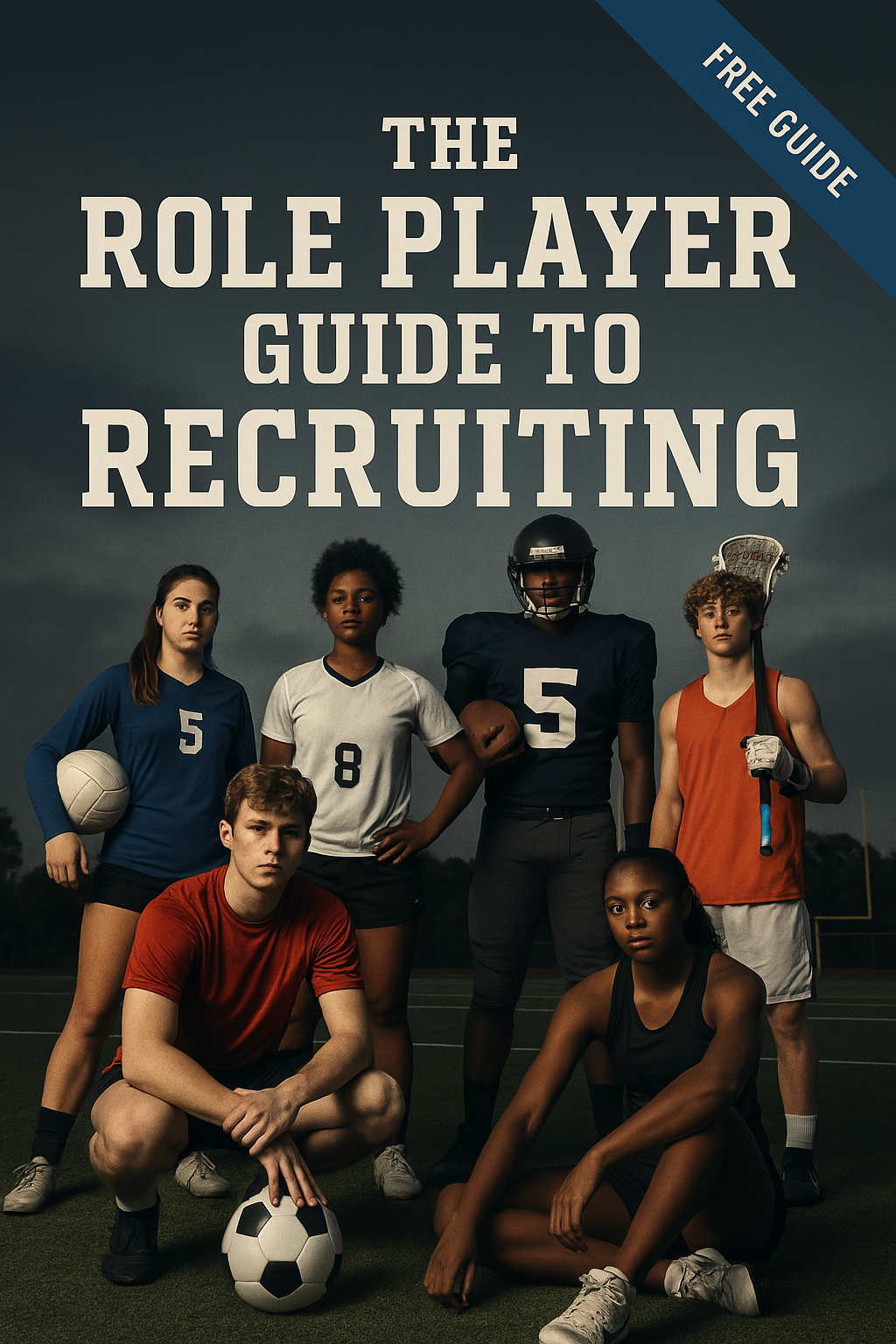
Make sure to request our FREE Role Player Guide to Recruiting
WHILE SUPPLIES Last!!!
🏀⚽🏐🏈⚾🎾🏒🏊♂️🥍🎽 Free Download: The Role Player Guide to Recruiting
Not a star? Not a problem.
Whether you’re passing, blocking, digging, assisting, or just bringing relentless energy from the sidelines, this guide was created for athletes like you.
The recruiting world often highlights the MVPs and stat-sheet stuffers. Colleges also recruit role players, those who lead quietly, contribute consistently, and do what their team needs most.
This free guide gives you the tools to stand out and get recruited process started, no matter what sport you play.
🙌 This Guide Is Built For:
Athletes in basketball, soccer, volleyball, football, baseball, softball, lacrosse, track & field, cross country, tennis, hockey, wrestling, cheer, swimming, field hockey, and more. Defenders, passers, relays, utility players, blockers, reserves, bench leaders. Student-athletes who want to lead, even without the spotlight. Parents and coaches who want to support without burnout
💥 Why It Works:
Because colleges do not build teams with just stars, they build them with
contributors.
And many of the most successful college athletes were once role players who outworked the hype.
Here's what you get:

✅ How to stand out as a role player in any sport
✅ Tips for gaining exposure—even if you’re not the starter
✅ Scripts & strategies to communicate with college coaches
✅ Sport-adaptable advice and mental performance boosters
✅ A full action plan to move your recruiting process forward
Click the more stories button for additional articles

Elusive College Greatness Is On Hold: Why NIL And Recruiting Matter
Elusive College Greatness Is On Hold: Why NIL And Recruiting Matter
Big names, big dreams, and even bigger expectations—college athletics has long thrived on the promise of greatness. Yet for many student-athletes, that greatness feels stuck in neutral. The new rules of Name, Image, and Likeness (NIL), a recruiting landscape that shifts by the week, and the growing complexity of college sports have reshaped what it means to chase a legacy. This isn’t just about who gets the next viral highlight or a national championship ring. The stakes involve scholarships, future careers, and the entire definition of student-athlete success. Understanding these moving parts is the only way to navigate a world where elusive college greatness is, for now, on hold.
Shifting Power: NIL’s Impact On College Athletics
College athletics has entered a new era with the arrival of NIL. Student-athletes can now monetize their personal brands, sign endorsement deals, and build a business presence before even turning pro. The headlines feature multi-million dollar contracts and high-profile collaborations, but most athletes find themselves in a much different reality. For every viral NIL success, thousands of student-athletes face confusion, negotiation, and uncertainty about how to actually benefit from the new rules.
NIL has changed recruiting conversations. College coaches are no longer just pitching facilities or playing time—they’re outlining brand support, partnership potential, and market reach. Some programs have ramped up resources to help student-athletes handle contracts, taxes, and public image. Others scramble to keep pace, leaving recruits and their families with tough choices. The balance of power has shifted, but the path to greatness is more unpredictable than ever.
Key takeaways for athletes and families:
Evaluate schools for their NIL infrastructure, not just athletic prestige.
Protect intellectual property and understand contract terms before signing anything.
Leverage social media responsibly—it can either open doors or close them fast.
Recruiting In The Age Of Social Media And NIL
Recruiting has always been competitive, but NIL and social media have added layers of strategy that few outside the game fully grasp. High school prospects are now expected to build personal brands before they even pick a college. Coaches monitor Instagram, Twitter, and TikTok as closely as they watch game film. Every post, comment, and online partnership becomes part of a player's recruiting profile.
This environment offers new avenues for exposure, but it also raises stakes. A single viral moment can elevate a prospect’s status, while an ill-advised post can send offers evaporating. The recruiting process now requires digital literacy and public relations skills, not just athletic achievement. For families, navigating this world demands vigilance and education—knowing the rules, the risks, and the opportunities on offer.
The Student-Athlete Experience: Pressure And Opportunity Collide
Student-athletes carry more than just the weight of competition. They juggle academics, training, social expectations, and now, the responsibilities that come with NIL deals. The pressure to perform on and off the field has never been higher. Some thrive under the spotlight, using their platform to secure financial stability and build a career foundation. Others struggle, caught between conflicting demands and the constant scrutiny of fans, brands, and recruiters.
Colleges are responding by investing in mental health resources, personal branding workshops, and financial literacy programs. But access and quality vary widely across institutions. Student-athletes who maximize these opportunities position themselves for success beyond sports. Those who do not risk burnout, missed opportunities, and a difficult transition when the games end.
Challenges In Pursuit Of Greatness
Greatness in college athletics has always rested on a razor’s edge. Injuries, coaching changes, and academic hurdles can derail even the most promising careers. The NIL era introduces new challenges—contract disputes, eligibility questions, and the distraction of off-field obligations. For many, the dream of college greatness now comes bundled with unprecedented complexity.
Programs with robust compliance departments and athlete support systems can guide student-athletes through the maze. Others risk falling behind, leaving players exposed to legal and financial pitfalls. The recruiting process, once straightforward, now demands a keen eye for red flags and a willingness to seek outside advice. Athletes and families who adapt quickly have the best shot at keeping their ambitions alive.
The Transfer Portal: Mobility And Uncertainty
The transfer portal has changed the way student-athletes approach their careers. It offers a second chance for those who feel overlooked, but it also introduces volatility. Commitments can dissolve overnight, and rosters turn over faster than ever before. Coaches and programs now operate in a world where loyalty is uncertain and long-term planning is harder to achieve.
For recruits, the portal represents both opportunity and risk. Moving schools can offer a better fit or more exposure, but it also means learning new systems and building fresh relationships. The portal’s impact on recruiting is undeniable—coaches hedge their bets, and high school prospects compete not just with their peers, but with experienced college players looking for a new start.
For more on navigating the recruiting process, check out Why College Coaches Love The Transfer Portal and How To Navigate The Recruiting Maze.
Academic Priorities In The NIL Era
NIL deals and recruiting hype can overshadow the true foundation of college athletics: education. Student-athletes who lose sight of academic priorities risk long-term setbacks. Graduation rates and academic performance remain key indicators of a program’s health and a player’s future prospects. Schools with strong academic support for athletes are more likely to produce well-rounded graduates who succeed after their playing days end.
Parents and recruits should assess academic support services, tutoring availability, and graduation outcomes when evaluating programs. Balancing athletics and academics is no small feat, but it remains the surest path to sustainable greatness. For more on academic support and preparation, visit FTP Information Portal.
Financial Realities: Beyond The NIL Headlines
The headlines make NIL look like a gold rush, but the reality is far more nuanced. Most NIL earnings are modest, and many student-athletes struggle to secure meaningful deals. Managing taxes, contract terms, and financial planning is uncharted territory for teenagers and their families. Some fall prey to predatory agents or unrealistic expectations, while others quietly build sustainable brands through consistent effort and smart partnerships.
For families, understanding the nuts and bolts of NIL earnings is crucial. Questions about eligibility, amateur status, and long-term financial planning should be at the forefront of every decision. Programs that offer financial literacy and legal resources give their athletes a competitive edge that lasts long after graduation.
Coaching Evolution: Recruiting, Retention, And Mentorship
Coaches now wear more hats than ever—recruiter, mentor, brand manager, and sometimes, crisis counselor. The demands of the NIL era require adaptability, transparency, and a willingness to embrace change. Programs that invest in coaching development and athlete support attract top talent and keep them engaged. Coaches who resist the new dynamics risk losing relevance and their best players to competitors who “get it.”
Mentorship is key. Student-athletes need guidance on more than just X’s and O’s. They require advice on contracts, personal branding, and life after sports. Successful coaches see the whole person, not just the player in uniform. For more on the evolving role of coaches, see Coaching Sports In 2025.
Building A Support System For Student-Athletes
Chasing college greatness is a team effort. Parents, coaches, academic advisors, and peer mentors all play critical roles. The best support systems are proactive, not reactive. They anticipate challenges and prepare student-athletes to handle the unexpected. This means regular check-ins, open communication, and a willingness to adapt as circumstances change.
For student-athletes, building a reliable circle of support can make all the difference. Trusted advisors help filter opportunities, manage stress, and celebrate wins—big and small. The most successful players know when to ask for help and invest in relationships that last beyond the scoreboard. For strategies on assembling the right team, visit Assemble Your Support Team.
Action Steps: How To Navigate The Current College Athletics Scene
Staying ahead in today’s college athletics scene requires more than talent. Here are actionable steps for student-athletes and families ready to take charge:
Research schools’ NIL policies and recruiting records before committing.
Build a positive digital presence and monitor social media activity.
Seek academic and financial counseling early and often.
Stay informed on compliance rules and eligibility requirements.
Prioritize mental health and well-being alongside performance goals.
Develop relationships with mentors inside and outside athletics.
For more insights and resources, check out The Role Player Guide to Recruiting and Improve Your Position.
Redefining College Greatness For The Next Generation
Greatness in college athletics is no longer only measured by banners and trophies. The NIL era, shifting recruiting dynamics, and the realities of being a student-athlete have raised the bar. Success now means building a brand, managing opportunities, and preparing for a future beyond the game. The old markers of achievement still matter, but new forms of greatness are emerging—ones that reward adaptability, resilience, and vision. The next generation of student-athletes will define college greatness on their own terms, and the world will be watching.
Frequently Asked Questions
How has NIL changed the recruiting process for student-athletes?
NIL has made recruiting more complex by introducing brand-building and business considerations. Coaches now assess both athletic ability and market potential, and recruits must evaluate programs based on NIL support and opportunities.What should families look for in a college’s NIL infrastructure?
Families should review a school’s compliance resources, access to legal and financial advisors, partnerships with local businesses, and support for personal branding and social media management.Are most college athletes earning significant income from NIL deals?
Most student-athletes earn modest NIL income. High-profile deals are rare, and the majority of athletes benefit more from small endorsements, local partnerships, or social media collaborations.What risks do student-athletes face with NIL agreements?
Risks include unfavorable contract terms, loss of eligibility, tax issues, and exposure to predatory agents. Student-athletes should seek professional advice before signing any agreement.How can student-athletes balance academics, athletics, and NIL opportunities?
Time management, prioritizing academic support, and using available college resources are crucial. Building a strong support network can also help manage competing demands.

Resources & Community
🎯
Follow Facilitate The Process on Facebook
https://www.facebook.com/facilitatetheprocess/
🌐
Join Our Recruiting Community
🔗
Get Started Today